A British Autumn Self-Care Plan for Shorter, Darker Days

By the end of October the light has thinned to something like a rumour, and the walk home from the station happens in the dark. It is easy to read that as a personal failure of energy — everyone else seems to be getting on with it, so why are you craving the sofa by six? Autumn asks something different of the body, and a plan that works with the season beats one that fights it. This one is built around four things: light, warmth, rest and grounding, all of it doable in a British autumn, rain included.
Start with Light, Because Everything Else Follows
Light is the lever. Get outside within an hour of waking if you can, even for ten minutes — a grey November morning outdoors is far brighter than the brightest kitchen light, and the effect on how alert you feel is noticeable. Try drinking your first cup of tea on the doorstep, walking to the shop for milk, or getting off the bus a stop early.
Indoors, move your chair towards a window and keep the blinds open rather than half-closed against the gloom. If every winter flattens you, a 10,000 lux light box used for twenty to thirty minutes in the morning is a common approach — but speak to your GP first, both to rule out other causes and because a proper assessment matters more than a gadget.
In the evening, switch to lamps. One warm lamp in the corner beats a bright overhead for signalling that the day is closing, and a candle on the windowsill while you cook marks the change of hours.
Make Warmth a Deliberate Practice
Warmth is not only about the thermostat. Layers do quiet work: merino base layers, thick socks, slippers that stay by the door, a blanket within reach of the sofa. If you are cold all day, you will spend the evening recovering rather than resting.
Things worth doing properly
- A hot drink ritual. Not the rushed mug at the desk — the one you make slowly. Ginger and lemon, spiced tea, cocoa.
- A bath or hot shower before bed. The drop in body temperature afterwards tends to help sleep along.
- A hot water bottle. At the foot of the bed, ten minutes before you get in.
- Warm food. Soups, stews, dhal, porridge, roasted root vegetables. Cook double on Sunday and freeze half.
- Airing the house. Ten minutes with the windows open, even in the rain, keeps condensation and damp down.
Treat Rest as a Task, Not a Reward
Sleep gets easier when your wake time stays steady, weekends included. Autumn is a good moment to move bedtime half an hour earlier — not dramatically, just enough to notice. Dim the lights after nine, charge your phone outside the bedroom, and give yourself half an hour of winding down that does not involve a screen: stretching, a few pages of a book, wiping down the kitchen so tomorrow starts kindly.
If you nap, keep it to twenty minutes and before mid-afternoon. And allow yourself to do less. The season is a slow withdrawal; matching it is not laziness, it is timing.
Grounding Rituals for Wet, Grey Days
Grounding, in practice, means coming back into your body and the physical world after too long in your head or on a screen. Three that work when the weather is against you:
Walk anyway
Waterproof coat, decent boots, twenty minutes. Rain is not a reason to stay in; it is a reason to dress properly. Choose a route with trees if you can, and leave the headphones at home for the first ten minutes.
Use your hands
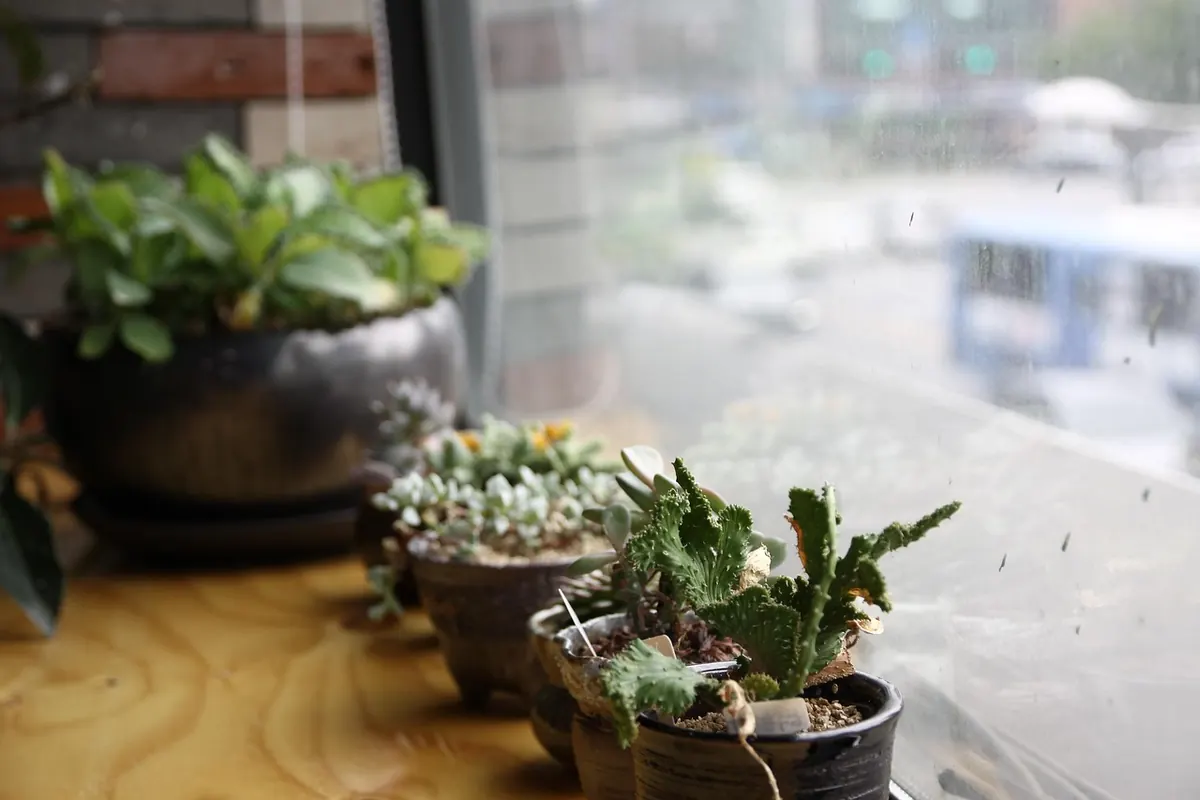
Bread, soup, knitting, mending, repotting a houseplant, planting tulip and daffodil bulbs in a pot for spring. Anything with a physical result and a clear finish line settles a restless mind faster than trying to think your way calm.
Breathe down into your feet
Sit with both feet flat on the floor. Breathe in for a count of four, out for six, for three minutes. Longer exhales than inhales are a straightforward way to take the edge off a tense evening.
A Simple Autumn Week to Borrow From
- Monday: fifteen minutes outside before you start the day.
- Tuesday: cook a big pot of soup; eat some, freeze some.
- Wednesday: walk with a friend instead of meeting indoors.
- Thursday: bath, early night, phone out of the bedroom.
- Friday: lamps and candles on, something warm for dinner, an early film.
- Saturday: one thing made with your hands.
- Sunday: twenty minutes to plan the week and reset the kitchen.
Food, Movement and Vitamin D
Warm breakfasts carry you further than cold ones in autumn — porridge with nuts and fruit, eggs on toast, yoghurt with seeds if you prefer. Aim for protein in the morning and vegetables at most meals; it steadies energy through the darker afternoons.
On vitamin D, the NHS advises considering a daily supplement of 10 micrograms during autumn and winter, since sunlight is too weak for the skin to make it. Ask a pharmacist if you are unsure, and check with your GP if you take other medication or have a health condition.
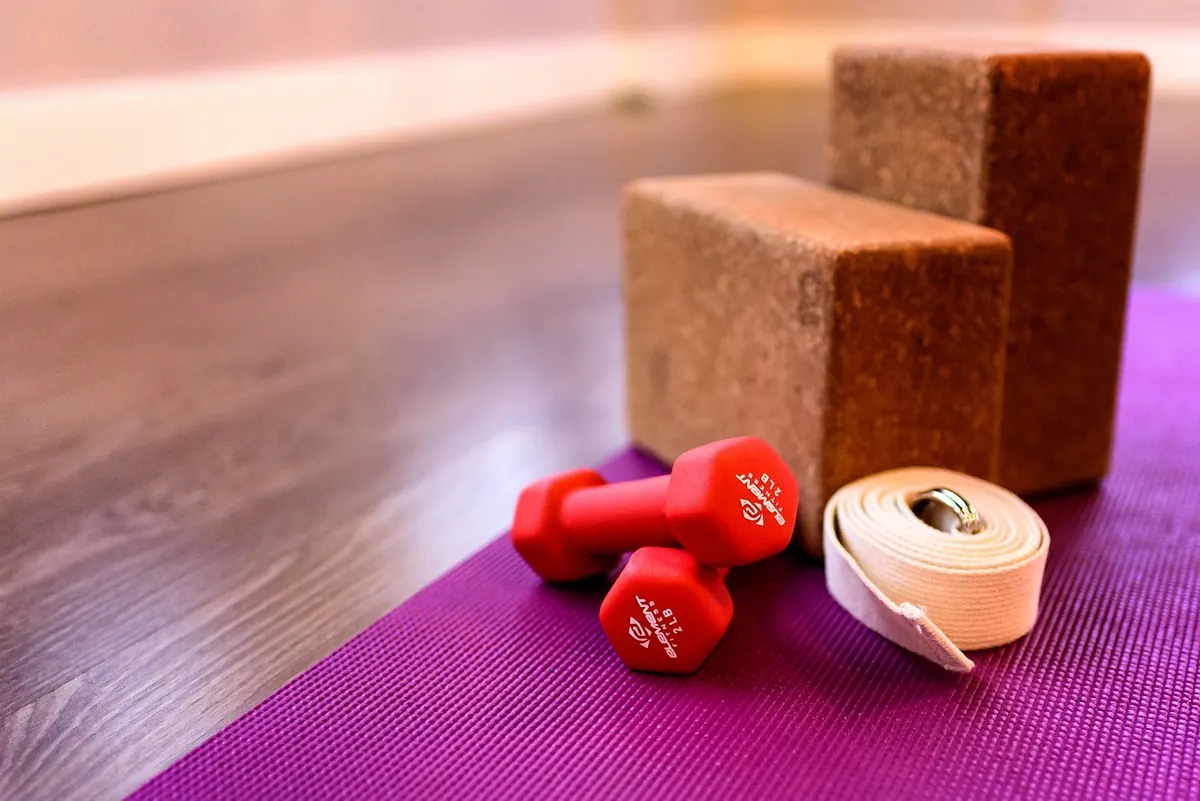
Movement works best short and regular rather than long and heroic. A brisk twenty-minute walk in daylight gives you exercise and light at once. Two or three brief strength sessions a week at home — squats, press-ups, a resistance band — keep you feeling capable, which matters more than any fitness target when motivation dips.
When the Darker Days Feel Heavier Than a Mood
Feeling flatter in November is normal. It is worth speaking to your GP if low mood lasts for weeks, if you lose interest in things you usually enjoy, if sleep and appetite change markedly, or if you feel hopeless. That is not a lack of resilience, and seasonal patterns are well recognised. Your GP can talk through the options with you.
Start with Three Things
Pick one for light, one for warmth, one for rest. Perhaps a ten-minute walk before work, a hot water bottle at nine, and lights down half an hour earlier. Run those three for a fortnight before adding anything else, then adjust whatever is not sticking.
Autumn rewards a gentler approach than summer does. Keep the light coming in, keep yourself warm, protect your sleep, and let your hands do something real. By the time the clocks change again, you will have built a season you can actually live in.
Photo: freestocks-photos / Pixabay