Yin vs Restorative Yoga: Which Slow Practice Suits You?
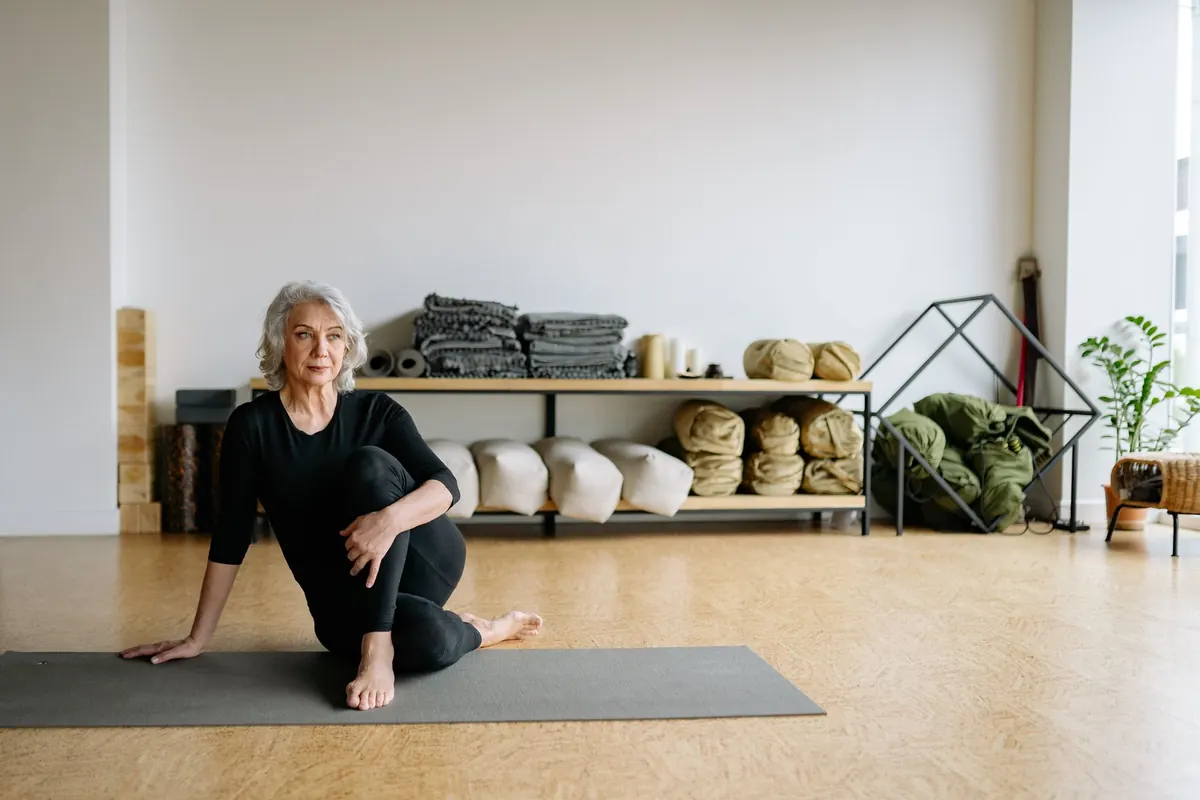
Two quiet practices, two very different experiences. A yin class might have you holding a deep hip stretch for four minutes while your mind negotiates with your hamstrings. A restorative class might have you lying over a bolster for twelve minutes, so supported that you nearly drift off. Both are slow, both happen on the floor, and both are often taught in the same studio — which is exactly why they get muddled. Knowing what each one is designed to do makes it much easier to choose the practice that suits the day you're actually having.
The Core Difference: Working Versus Resting
Yin asks something of you. It places a moderate, sustained load on areas that rarely get stretched — hips, hamstrings, inner thighs, the spine and the sides of the body — and asks you to stay, breathe, and let the tissue respond over time. Poses are held long enough that the first fidgety minute passes and something softer follows.
Restorative yoga asks almost nothing. Every pose is arranged so that props carry your weight completely, and the aim is to settle the nervous system rather than to lengthen anything. If yin is a long, slow conversation with your body, restorative is a nap with structure.
Pace: Minutes, Stillness and Structure
In yin, expect three to five minutes per pose, occasionally longer in experienced classes, with six to eight poses filling an hour. You do move between shapes, and transitions are slow but deliberate.
Restorative runs even slower on the pose count: four to six shapes in an hour, each held for five to twenty minutes. Setup can take several minutes on its own. A teacher might spend three minutes folding blankets under your knees so you can rest for ten. That isn't fussiness — the arrangement is the practice.
Props: Minimal Versus Maximal
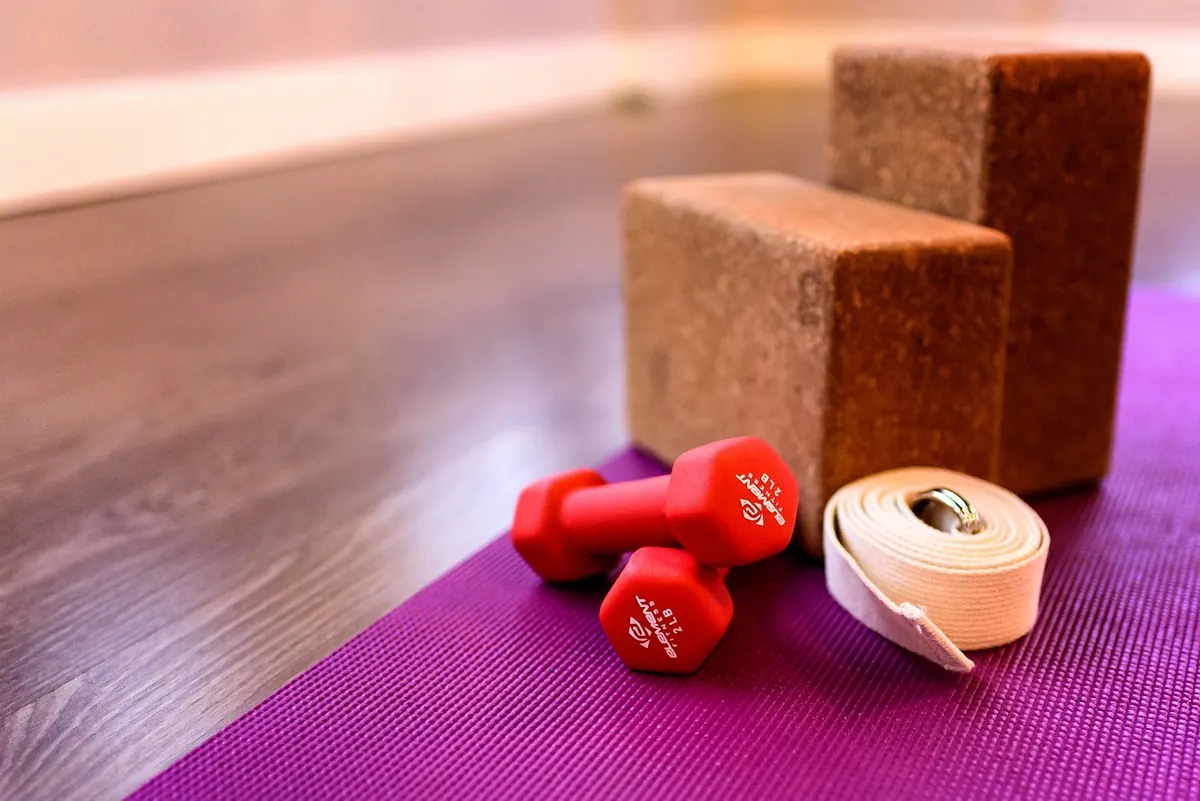
The props tell you a lot about the intention. Yin is deliberately low-prop — a mat, a cushion or block under the hips, and a blanket for warmth. Props are there to make a strong shape accessible, not to soften it. Restorative is prop-heavy by design: bolsters, blankets, blocks, belts, eye pillows and occasionally sandbags, stacked and rolled until you feel held. Nothing should feel like effort.
What you actually need at home
- For yin: a mat, one firm cushion or yoga block, a blanket, and a timer so you aren't checking your phone.
- For restorative: a bolster or two firm pillows, two or three blankets, two blocks, a belt or dressing-gown cord, and an eye pillow or folded scarf.
- For both: a warm, quiet corner where you can lie down without being stepped over, and enough floor space to stretch an arm out.
Sensations: Intensity Versus Ease
This is the clearest dividing line, and the one worth remembering when you're on the mat.
In yin you're looking for a moderate sensation — something you'd describe as a three or four out of ten. It may feel dull, spreading or surprisingly intense in the first minute, then settle. Sharp, shooting, burning or numb sensations are not the aim; ease out of the shape if they appear. Yin is usually practised on a cool body rather than straight after a workout, and it's worth moving gently first if you've been sitting all day.
In restorative, you want no stretch at all. If you can feel a pull in your hamstring or a strain in your lower back, the pose needs more support — another blanket, a block moved closer, a bolster shifted. Signs that it's working are unglamorous: heavier limbs, slower breathing, warmth, drowsiness, and a busy mind that gradually loses interest in its own storyline.
In yin, look for a sensation you could comfortably stay with. In restorative, if you can feel a stretch, you're not yet supported.
Who Each Style Suits
Neither style is better; they solve different problems. Here's a rough guide.
Yin tends to suit people who
- sit for long stretches of the day and feel tight through the hips, hamstrings or lower back
- enjoy a physical challenge and don't mind long holds
- run, cycle or lift weights and want a slow counterbalance on rest days
- find it easier to settle when there's a sensation to focus on
Restorative tends to suit people who
- are tired, wired, sleeping badly, or recovering from illness or a demanding period
- live with pain, injury or tension and need something gentle
- struggle to switch off and want the props to do the work
- are pregnant or postnatal and want a supportive, low-effort practice
Both styles can be adapted, but if you're pregnant, managing an injury or living with a health condition, speak to a qualified teacher and your GP or physiotherapist before starting, and mention anything relevant before class.
How to Choose Tonight
Try this quick decision process:
- Ask what your body wants, not what your schedule says. Movement or rest? Stretch or support?
- Wired but tired? Choose restorative. Yin on a depleted system often becomes a test of endurance.
- Stiff, and slept reasonably well? Yin is usually the better fit.
- New to slow practice? Start with restorative, or a yin class described as gentle or beginner-friendly.
- Doing both in a week? Many people keep one yin class and use fifteen minutes of restorative at home as a wind-down before bed. Legs up the wall, with a folded blanket under the pelvis, is a decent starting point.
A useful experiment: practise each style once a week for a month and notice which one you actually return to when nobody is watching. That's usually your answer. Yin builds tolerance for sensation; restorative builds tolerance for rest. Most of us need both — just rarely on the same evening.
Photo: Yan Krukau / Pexels